









Cats may look like low maintenance companions, but their comfort depends on a set of surprisingly specific needs shaped by evolution. Understanding a few core facts about their bodies and behavior can turn everyday care into a calmer, healthier home for both of you.
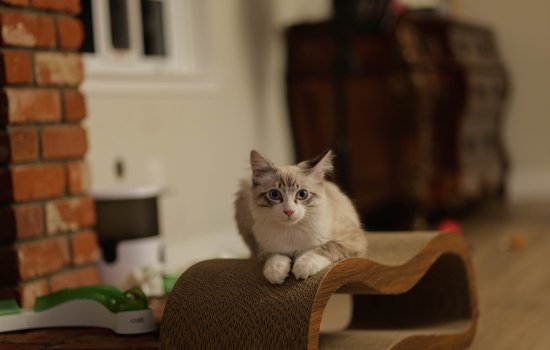
Start with the cat’s built in tools. Whiskers are not decoration; they are sensitive feelers that help cats judge spaces and detect air currents. When a food bowl presses on whiskers, some cats become fussy eaters, so a wide, shallow dish can help. Scratching is another essential behavior, not a bad habit. Cats scratch to shed old claw layers, stretch the spine and shoulders, and leave scent marks from glands in their paws. Offer sturdy scratchers in different textures and place them near sleeping areas and favorite routes. Reward use, and redirect rather than punish.
Purring is often a sign of comfort, but it is not a guarantee a cat is happy. Cats may purr when stressed, in pain, or while self soothing. To read the full message, watch the whole body: relaxed posture, slow blinking, and a gently waving tail tip often signal contentment. A tucked body, flattened ears, wide pupils, or a twitching tail can indicate overstimulation or anxiety. Respecting these signals prevents bites and builds trust, especially for shy cats.
The litter box is a daily health report. Most cats prefer a clean, easy to reach box with enough space to turn around. Many do best with unscented litter and a box placed in a quiet location away from food and water. If a cat suddenly avoids the box, it can reflect stress, a dirty setup, or a medical issue like urinary discomfort. Because urinary problems can become urgent quickly, changes in peeing habits deserve prompt attention.
Hydration and nutrition are also key. Cats evolved from desert dwelling hunters and often have a low thirst drive, so they may not drink enough from a bowl. Fresh water in multiple locations, a pet fountain, and adding wet food can improve intake. Nutrition should match a cat’s life stage and health needs, with high quality protein as a foundation. Sudden diet changes can upset the stomach, so transitions should be gradual.
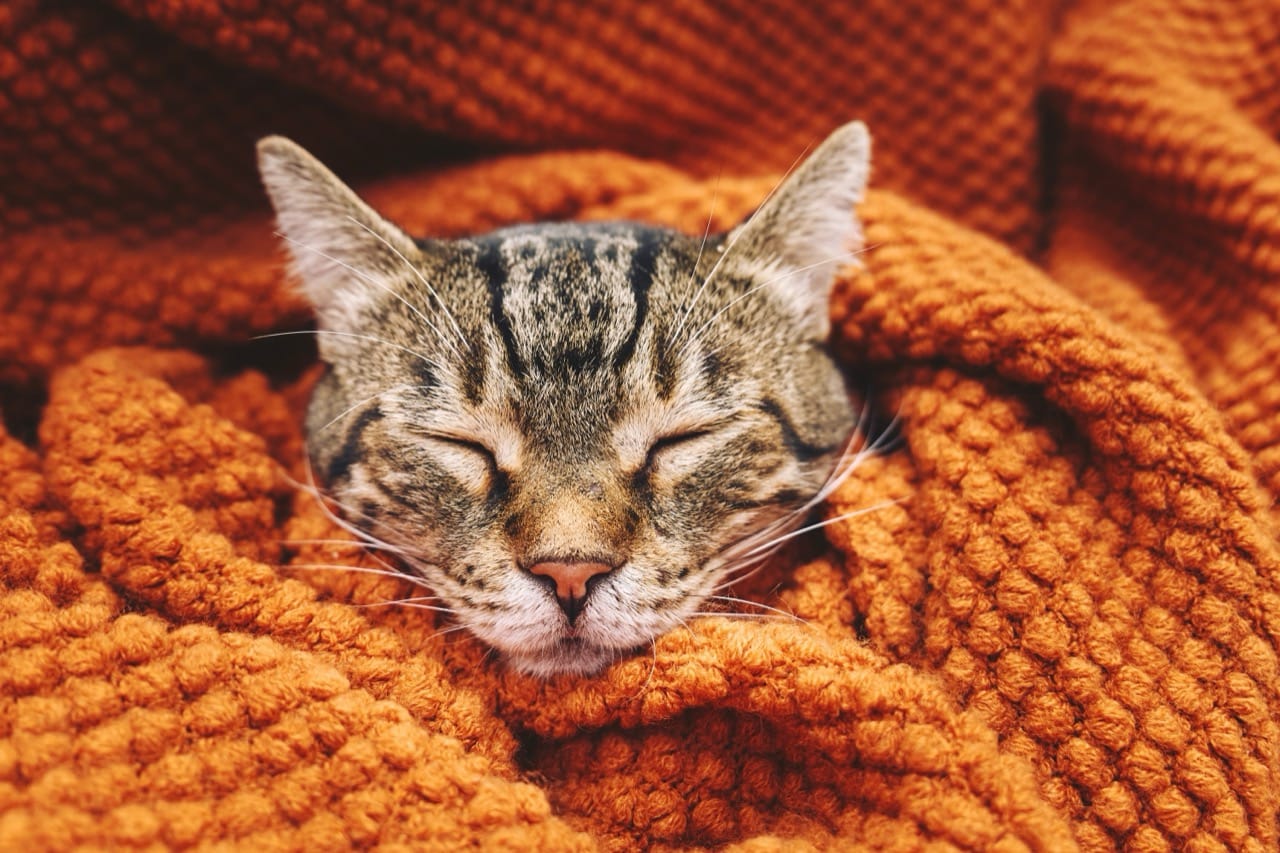
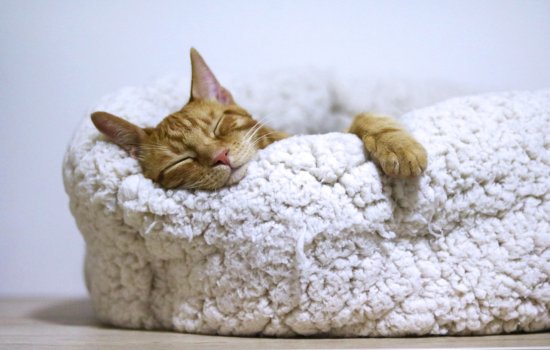
Sleep is another essential that surprises people. Many adult cats sleep 12 to 16 hours a day, with bursts of activity at dawn and dusk. Provide predictable play sessions that mimic hunting: stalk, chase, pounce, then a meal or treat. This routine supports healthy weight, reduces nighttime zoomies, and gives indoor cats mental enrichment.
Finally, prevention and routine matter. Parasite control is not only for outdoor cats; fleas can hitchhike indoors, and some parasites are hard to spot. Regular veterinary care, appropriate preventives, and dental attention reduce long term problems. Cats are also creatures of habit, and consistent schedules for feeding, play, and quiet time can lower stress.
When you meet a cat’s core needs, you get more than good behavior. You get clearer communication, stronger trust, and a companion who feels safe enough to show their real personality, whether that means cuddling on the couch or confidently emerging from under the bed.



.jpg "Truth or Tail Feline Mythbuster Quiz")