Cat Basics Under the Microscope
About This Quiz
Cats can seem mysterious, but their everyday habits follow fascinating rules. This quiz focuses on essentials: how cats sense the world, why they groom and knead, what their bodies are built to do, and what those common behaviors really mean. Expect a mix of biology, communication, health, and practical care facts that every cat owner has heard about but not everyone can explain. Some questions may feel familiar until you have to choose between two very plausible answers. Others will test whether you can separate popular myths from what veterinarians and feline researchers actually observe. If you have ever wondered why a cat’s eyes glow at night, how high they can jump, or what a slow blink is saying, you are in the right place. Take your time, trust your instincts, and see how strong your cat fundamentals really are.
A cat kneads with its paws most commonly as a behavior linked to which early-life association?
Which parasite prevention topic is most important because some dog flea/tick products containing permethrin can be toxic to cats?
Which structure in a cat’s eye is mainly responsible for improved night vision by reflecting light back through the retina?
What is the typical dental formula (number of teeth) for an adult domestic cat?
Adult cats are obligate carnivores; which nutrient must they obtain from animal-based sources because they cannot synthesize enough of it?
What is the most accurate meaning of a cat slowly blinking at a person in a relaxed setting?
What is the primary purpose of a cat’s whiskers (vibrissae)?
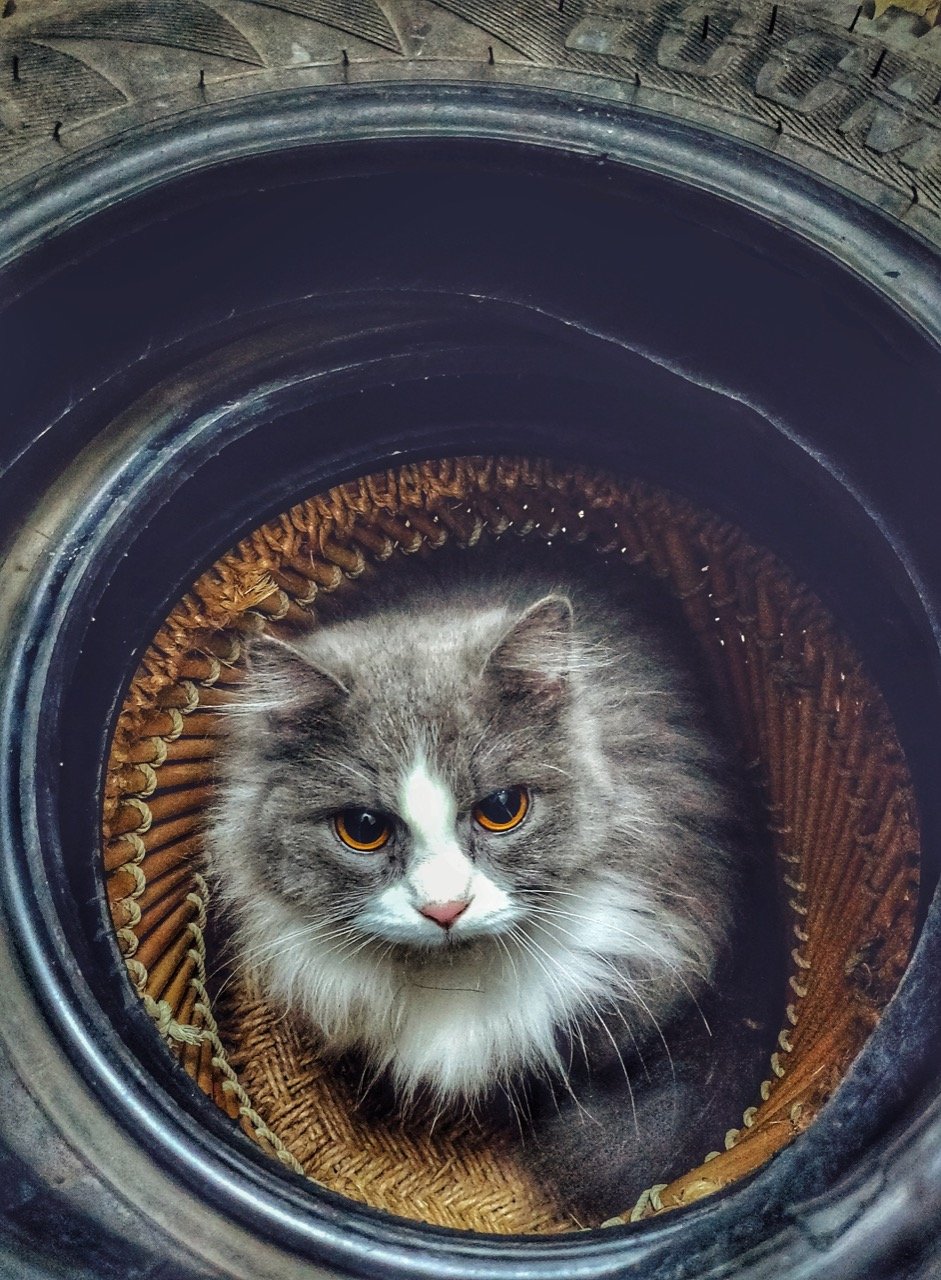
Which statement best describes purring in cats?
.jpg)
For scratch behavior, what is the most accurate primary function of scratching in cats?
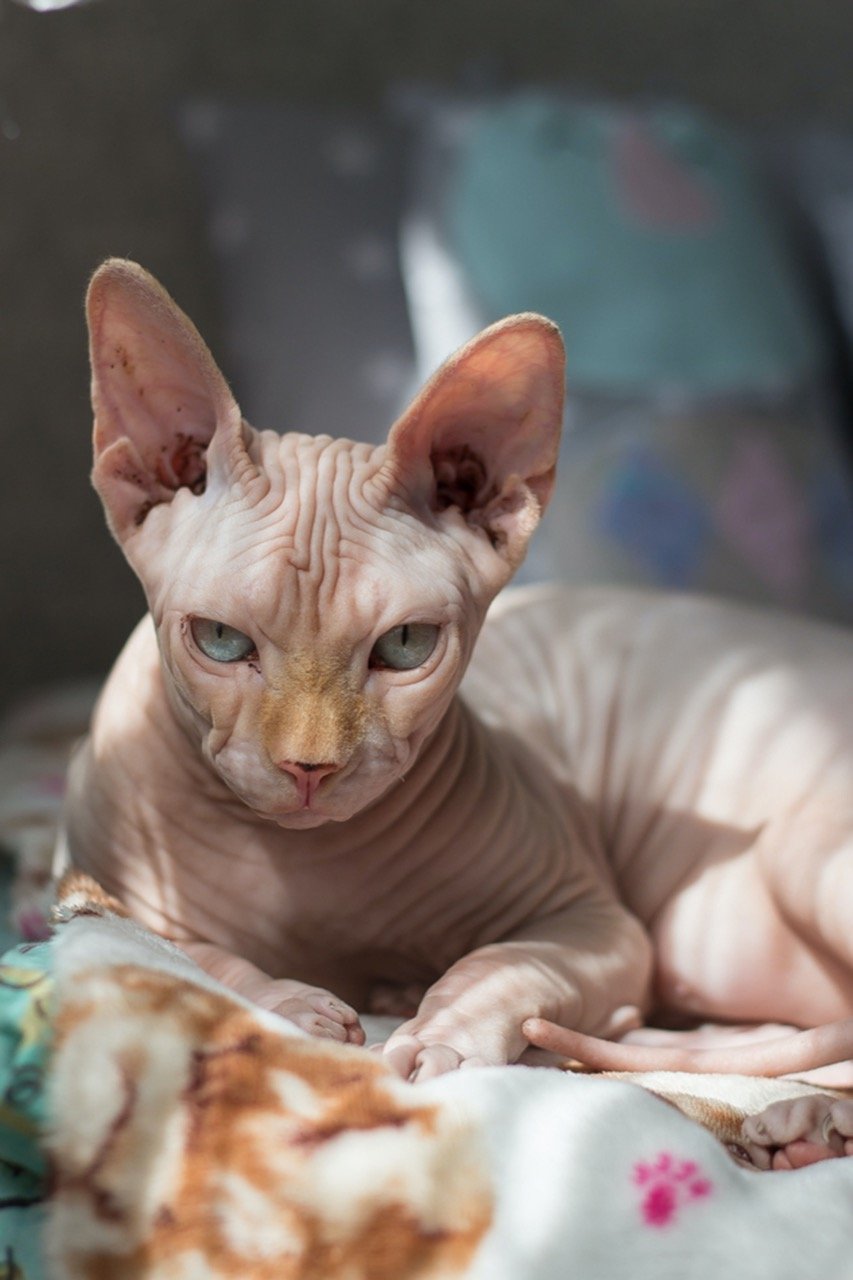
Why is giving cow’s milk to adult cats often discouraged?
Elephants are the only animals that can't jump.
The fastest land animal is the cheetah, which can reach speeds up to 70 mph.
An owl's eyes are fixed in their sockets, so they turn their entire head to see.
A baby spider is called a "spiderling."
.jpg "Truth or Tail Feline Mythbuster Quiz")